Trading Contracts for Difference (CFDs) gives you the flexibility to profit from both rising and falling markets. Unlike traditional investing where you generally only make money if prices go up, CFDs let you take a long or a short position on an asset’s price movement. In this article, we’ll explore what going long vs going short means in CFD trading, how each approach works, and the key risks and considerations to keep in mind. By the end, you’ll understand how traders use CFD positions to capitalize on bullish and bearish market moves.
Going Long: Profiting from Rising Markets
When you go long on a CFD, you are buying the contract in anticipation that the underlying asset’s price will rise. In other words, you’re taking a bullish position. This is the classic “buy low, sell high” strategy familiar to most investors. If the market price increases after you open a long position, you can sell (close the position) at a higher price and profit from the difference. If the price falls instead, your long position would incur a loss equal to the price drop (multiplied by your position size).
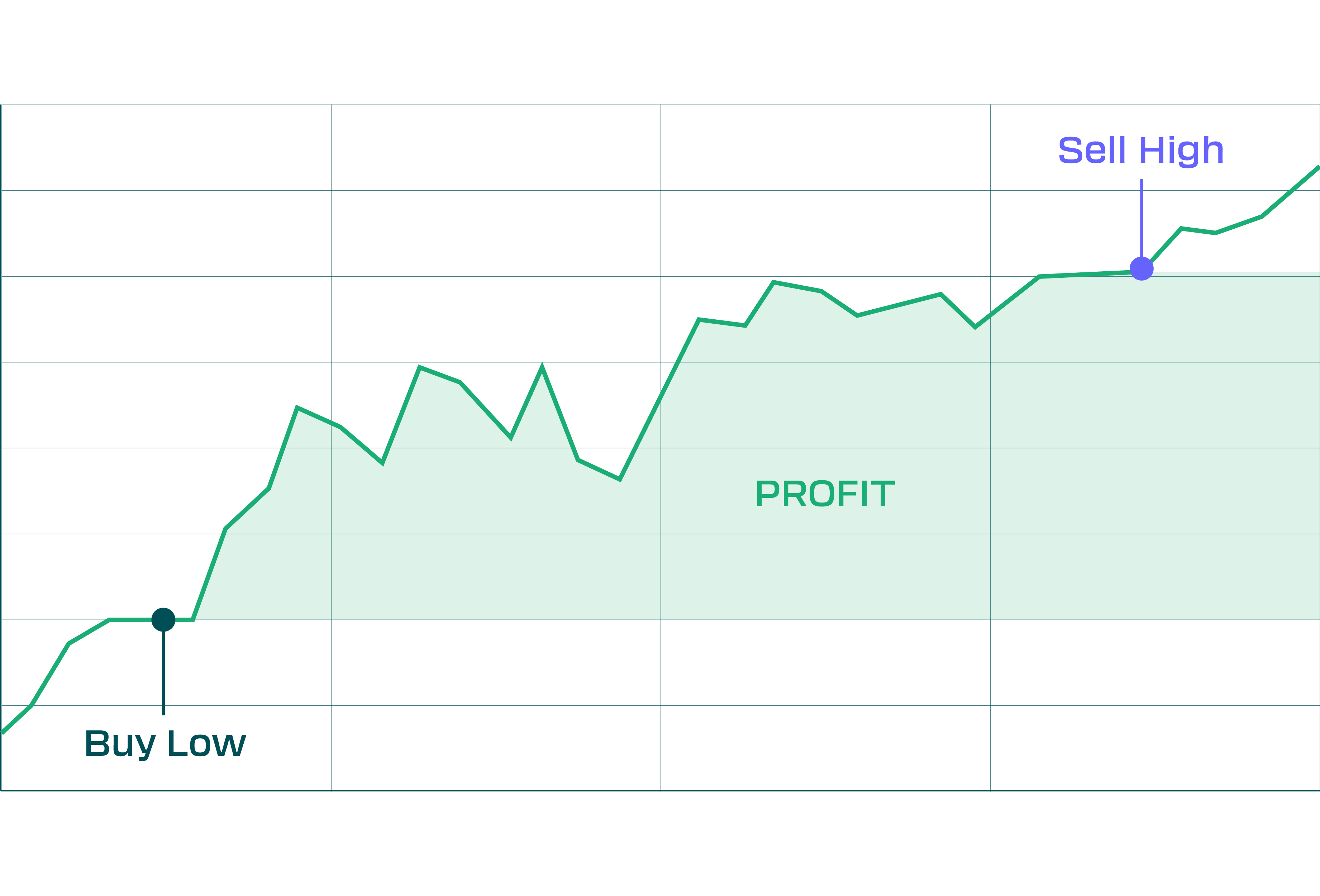
Going long with a CFD works very similarly to buying the actual asset, except you don’t own the physical asset itself – you’re trading on price movement. For example, if you think a certain stock’s value will go up, you could buy 10 CFD contracts at £50 each (going long at £50). If the stock’s market price later rises to £60, closing your position at £60 would net you a £10 profit per contract (total £100 profit, minus any transaction costs). However, if the price dropped to £45, closing the trade at a loss would cost you £5 per contract (total £50 loss). Thanks to CFD leverage, you only need to put up a fraction of the trade’s value as margin to open a long position, but remember that leverage amplifies both gains and losses. Always use prudent risk management, because a big downward move against your long position could quickly eat into your margin.
Reminder: A long CFD position benefits from upward price movement. You buy to open the trade and later sell to close it, ideally at a higher price.If the market moves in the opposite direction (price falls), your long trade will lose value, so setting a stop-loss order is wise to cap potential downside.
Going Short: Profiting from Falling Markets
CFDs also allow you to go short, meaning you sell the contract first with the aim of buying it back at a lower price later. In a short position, you’re taking a bearish view – essentially saying you expect the asset’s price to fall. Shorting with CFDs lets you profit from price declines just as easily as going long lets you profit from price increases. This is a key advantage of CFD trading: there are no special shorting restrictions – you don’t need to own or borrow the asset to take a short position.
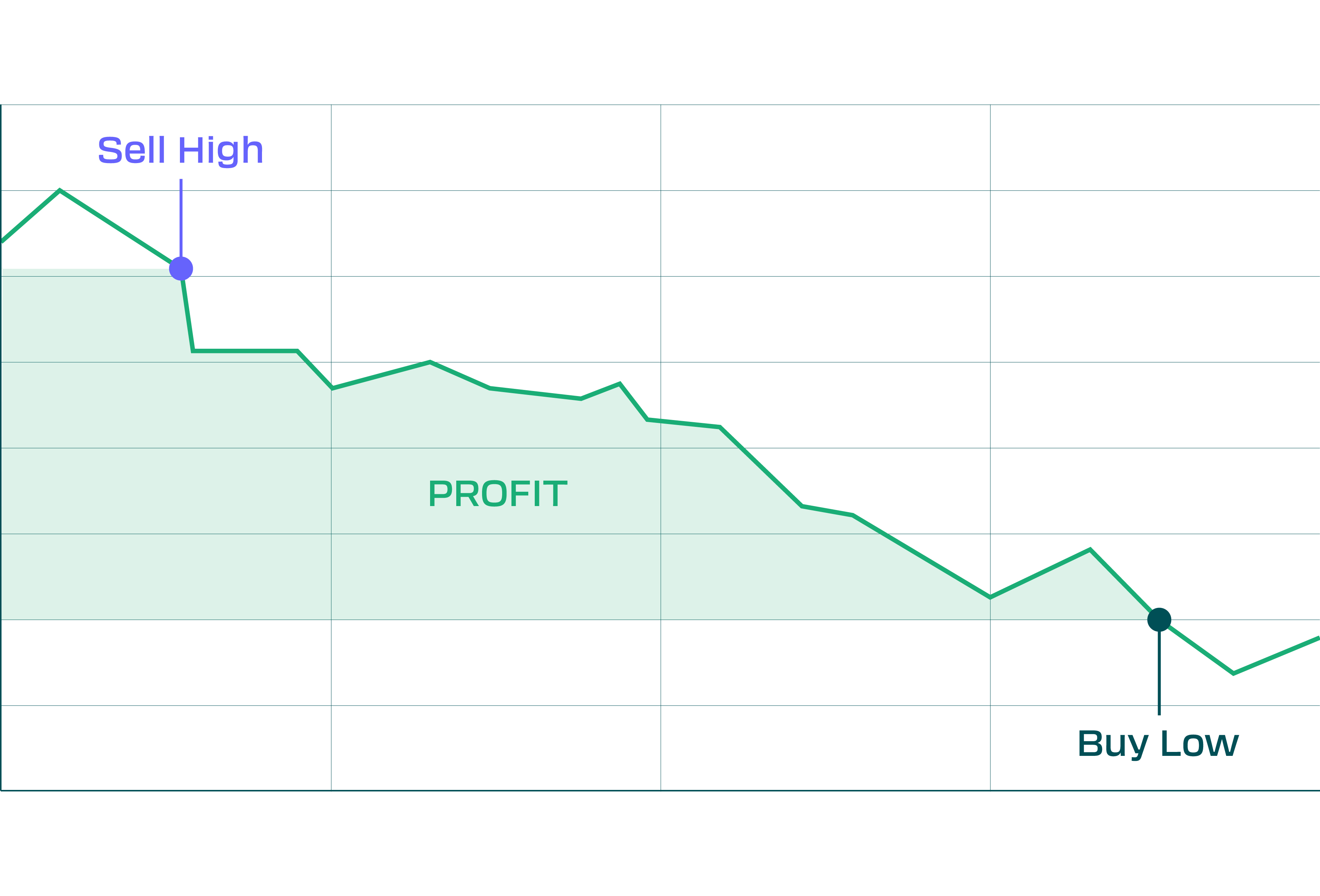
Going short might sound counterintuitive at first (“sell something you don’t own?”), but with CFDs it’s straightforward. You simply place a sell order on the CFD to open a position. If the price indeed drops, you then buy the CFD back at the lower price to close the trade, pocketing the price difference as profit. For example, suppose an index CFD is currently trading at 3000 and you believe it’s headed for a downturn. You open a short CFD position at 3000. Later, the index falls to 2900 – you close (buy back) the position there, and you’ve gained 100 points per contract as profit. Conversely, if the market rises to 3100 instead, closing your short at a higher price would mean a 100-point loss per contract.
One major benefit of shorting via CFDs is that you never have to borrow the underlying asset or find someone to lend it to you. In traditional stock short selling, a trader must borrow shares to sell short, which involves additional costs and sometimes restrictions. With CFDs, however, you’re trading a contract on price movement without the need for physical ownership or borrowing. You just click “Sell” to open a short position, and the broker handles the rest behind the scenes. This makes short selling much more accessible to the average trader.
Short positions are commonly used when you think an asset is overvalued or due for a pullback. For instance, if a company’s stock had a rapid run-up and you expect bad news or a correction, you could short the stock via CFDs to try to profit from an anticipated decline. Shorting is also popular for hedging – you might short an index or a stock sector to offset potential losses in your long-term investment portfolio during a market downturn. (We’ll discuss hedging more in a moment.)
One thing to keep in mind: when you’re short, if the price drops, that’s good (profit), but if the price rises, that’s bad (loss). There is no theoretical limit to how high a price can rise, which means a short position carries potentially unlimited loss if the market goes strongly against you. In practice, brokers will usually issue margin calls or close positions before losses spiral out of control, but it’s vital to use stop-loss orders and monitor short trades closely. We’ll dive deeper into the risk differences between long and short next.
Risks and Considerations for Long vs Short Positions
Going long and going short both involve risk, but the nature of the risk can differ. Here we break down the key differences, plus important considerations when taking either type of position:
- Market Direction & Profit/Loss: A long position is bullish – you profit when prices rise and lose when they fall. A short position is bearish – you profit when prices fall and lose if they rise. Always ensure your market outlook (bullish vs bearish) matches the position you take. It sounds obvious, but it’s easy to get mixed up if you’re new to shorting that “up” is bad for you when you’re short!
- Risk of Loss: Long CFD positions have a limited downside (the worst-case scenario is usually the asset price drops to zero, so your maximum loss is the full value of the position). Short positions, on the other hand, have theoretically unlimited downside because there’s no cap on how high a price can go. If you short at $50 and the stock shoots up to $150, you’re down $100 per share – and it could go even higher. This asymmetry makes shorting inherently riskier than going long. Protective stop-loss orders are crucial for short trades to guard against runaway losses.
- Margin and Leverage: Both long and short CFD trades are leveraged, meaning you only need to put up a deposit (a fraction of the trade’s notional value) to open the position. Leverage amplifies gains and losses regardless of position direction. Because short positions can escalate in loss quickly if the market rallies, your broker may require sufficient margin and will issue a margin call or auto-close the trade if losses approach your account’s limits. Always monitor your margin level and maintain a buffer, especially when shorting, to avoid forced closure of your positions.
- Costs (Overnight Financing): CFD brokers typically charge overnight financing fees for positions held beyond the trading day. The cost depends on whether you’re long or short and current interest rates. Long positions generally incur a daily financing charge (since you’re effectively borrowing funds to hold the asset). Short positions may actually receive a small interest payment or incur a smaller fee (because you’re effectively holding a credit balance when short), though this varies with prevailing rates and broker policies. In any case, if you plan to hold CFD positions long-term, factor in these overnight costs for both longs and shorts.
- Costs (Dividends and Corporate Actions): If you’re trading stock CFDs, be aware of dividend adjustments. Long CFD positions will usually be credited with an amount equal to any dividends paid by the underlying stock (since you would have received it if you owned the shares). Short CFD positions will be debited for the dividend amount – essentially you pay the dividend because you are “short the share” when the payout happens. Similarly, other corporate actions (stock splits, rights issues, etc.) are typically adjusted for in CFD positions so that long or short, you’re kept economically equivalent to the real stockholder’s situation.
- Hedging Use Case: Short positions can be used for hedging. If you hold a portfolio of investments that you don’t want to sell, but you’re worried about a market downturn, you can open short CFD positions to offset potential losses. For example, if you have a lot of tech stocks, you might short a Nasdaq index CFD; if the tech sector falls, your short position would gain, helping balance out losses in your stocks. Hedging with shorts is a common risk management strategy to insure your portfolio during turbulent times.
Hedging with a Short CFD – Example: Imagine you own shares in Company X but suspect the overall market might drop due to economic news. Instead of selling your shares (which could trigger taxes or miss out on future rebounds), you open a short CFD on the market index that Company X belongs to. If the market indeed falls, the short index CFD will rise in value, offsetting some of the losses on your stocks. Once the volatility passes, you can close the short position. This way, you’ve hedged your exposure without liquidating your long-term investments. Hedging can be very useful, but note that if the market rises instead, your short hedge will lose money (though your stocks should be doing well), so it’s truly a protective strategy rather than a profit-maximizing one.
- No Ownership, No Voting Rights: Remember, CFDs are purely speculative contracts. Whether you’re long or short, you don’t own the underlying asset. This means if you hold a stock CFD long-term, you won’t get shareholder voting rights or actual dividends (you just get a cash adjustment for dividends as noted). Similarly, shorting a CFD doesn’t involve borrowing the asset from someone else – it’s a contract between you and the broker. The lack of ownership streamlines going long or short (no need for stock certificates or borrowing arrangements), but it also means CFD trading is focused solely on price movements and financial outcomes.
- Psychology and Market Bias: Historically, stock markets have tended to drift upward over the long run, which in that case means that sustained short positions might go against the general bias of the market. Short-term traders frequently go short to take advantage of corrections. But there is a phrase that says “markets take the stairs up and the elevator down” – meaning declines can be sudden and sharp , whereas rises are often gradual. This can make timing crucial for short selling. From a psychology standpoint, shorting can be emotionally challenging because losses from a short position grow as the asset’s price rises (which can feel unlimited). It’s important to stick to your analysis and risk controls, and not panic if a trade moves slightly against you – but also be decisive in cutting losses if the market sentiment clearly shifts bullish against your short.
Lastly, whether you’re long or short, have a plan. Know your entry and exit strategy, set take-profit and stop-loss levels, and position size appropriately as it does require discipline and respect for the risks. The ability to go long or short on almost any market via CFDs is a powerful tool – use it wisely.
By understanding the dynamics of long vs short CFD positions, you unlock the full potential of CFD trading. You can seek profits in both uptrends and downtrends, and hedge your bets when needed. Just remember: whether long or short, always respect the market and manage your risk. Happy trading!
FAQs
What does “going long” mean in CFD trading?
“Going long” means buying a CFD with the expectation that the underlying asset’s price will rise. When you go long, you profit if the market price goes up above your entry point, and you lose if the price falls. It’s essentially the same concept as buying an asset outright – you’re bullish on it. For example, going long on a gold CFD at $3,800 means you’ll make money if gold’s price climbs above $3,800 (and lose money if it drops below that before you close the trade).
What does “going short” mean in CFD trading?
“Going short” means selling a CFD contract first (opening a sell position) because you expect the asset’s price to fall. You profit if the price drops, since you can buy the contract back at a lower price. Short = bearish view. It’s the opposite of going long – instead of “buy low, sell high,” you aim to “sell high, buy back lower.” For instance, shorting a stock CFD at $100 and then closing it at $90 would net you a $10 profit per share (minus any costs). If the price goes up instead, a short position results in a loss.
Can I short stocks with CFDs?
Yes – one big advantage of CFDs is that you can short stocks (and other assets) with no special restrictions. CFDs have no uptick rule or borrowing requirement, unlike traditional stock short selling. If you think a stock is going to decline, you simply open a sell position on that stock’s CFD. If the price falls, your CFD will generate profit just as if you had shorted the stock in the traditional way. This applies to stocks, indices, commodities, forex, crypto – virtually any market offered as a CFD can enable you to go short.
How do I open and close a short position on a CFD?
Opening a short CFD trade is straightforward: on your trading platform, you select the asset and choose the Sell option (instead of Buy) to open the position. You’ll specify your trade size (number of CFD contracts) just like a normal trade. Once executed, you now have an open short position. To close the short, you perform the opposite action – you Buy the equivalent amount of the CFD. In practice, this is often done by clicking a “Close” button on the platform which automatically executes a buy order for your short size. For example, if you sold 5 CFD contracts of an asset to go short, you would buy 5 contracts to exit that trade. The difference between your sell price (entry) and buy price (exit) determines your profit or loss on the short. Remember to also set a stop-loss when you open a short position, which will trigger a buy order to close the trade if the market moves too far against you.
Is short selling riskier than going long?
Yes, short selling is generally considered riskier than taking a long position. The primary reason is that a short position has unlimited potential loss if the asset’s price keeps rising. In contrast, a long position’s loss is limited to the asset going to zero. For example, if you short a stock at $50, the worst-case scenario is theoretically infinite loss if the stock skyrockets (e.g., up to $100, $200, etc.), whereas if you bought at $50, the worst it can go is $0 (a $50 loss). Additionally, when an asset’s price surges, short sellers can get hit with margin calls or forced to close positions at large losses. That said, you can manage short-selling risk by using stop-loss orders and position sizing. Modern platforms also often have safeguards (like negative balance protection) to stop out trades before losses exceed your account, but you shouldn’t rely on that alone. Always treat short trades with extra caution and have a clear exit plan.
How much can I lose on a CFD trade? Can I lose more than I invested?
Because CFDs are leveraged, it is possible to lose more than your initial margin on a trade if the market moves sharply against you and you don’t have protections in place. With a long position, your maximum loss is typically the full value of the position (e.g. if the stock goes to zero, you lose 100% of the position, which could exceed your margin deposit). With a short position, as discussed, losses can exceed 100% because there’s no ceiling on price gains. However, brokers mitigate this by issuing margin calls and closing positions that exceed your available funds. Many brokers also offer guaranteed stop-loss orders (for a fee) to limit your downside. It’s critical to understand that CFD trading carries the risk of losses beyond just what you put into an individual trade – always only trade with capital you can afford to risk, and use stops to help contain potential damage.
Do I need to borrow shares or get special permission to short via CFD?
No special permission is needed – unlike traditional short selling which requires borrowing shares, shorting with CFDs does not involve borrowing at all. When you short a CFD, you’re entering a contract with your broker, so there’s no need to locate shares or worry about an uptick rule. As long as your CFD trading account is approved for trading (CFD accounts are margin accounts by nature), you can go short just as easily as going long. The process is seamless: you just place a sell order on the platform. This is one reason CFDs are popular – they streamline short selling for retail traders.
How long can I hold a CFD position?
There is no fixed time limit or expiration for most CFD positions – you can hold a long or short CFD indefinitely, as long as you maintain the required margin and pay any applicable overnight fees. CFDs are traded on margin, so the main constraint is your account funding. If your trade is losing and your account falls below margin requirements, the broker might close your position. Otherwise, you’re free to keep a position open for days, weeks, or even months. Do note that holding positions long-term will incur overnight financing charges (for both longs and shorts), and those can add up over time.In summary, you can hold CFDs long-term, but it’s essential to monitor your account and understand the costs of doing so.
Do I have to pay overnight interest or fees on CFD positions?
Yes. CFDs apply overnight financing charges when you hold positions past the end of the trading day. For a long position, you’ll be charged interest daily (because effectively the broker lent you money to hold the asset leveraging). For a short position, the dynamics are a bit different – you may receive a small interest credit or have a smaller fee, depending on the broker’s policy and current interest rates. If interest rates are high, short positions can sometimes earn interest; if rates are low, you might still pay a tiny fee. Either way, the difference isn’t usually huge, but it’s enough that you’ll notice the cost over time. Always check your broker’s CFD financing rates. These fees are typically charged automatically to your account each day. If you open and close a CFD within the same day (no overnight hold), generally no overnight interest is charged.
What happens to dividends in CFD trading?
With stock CFDs, you don’t own the actual shares, but brokers still account for dividends through cash adjustments. If you hold a long CFD on a stock and it pays a dividend, you’ll usually receive a credit to your account roughly equal to the net dividend (after any taxes/fees). If you hold a short CFD on a dividend-paying stock, the dividend amount will be deducted from your account (debited) on the ex-dividend date. Essentially, you’ll pay the dividend because you benefited from the stock’s price dropping by the dividend amount (stock prices typically fall by the dividend value when it goes ex-dividend). These adjustments ensure fairness: long CFD holders get compensated as if they received the dividend, and short holders are penalized as if they had to pay it out. Apart from dividends, other corporate actions (splits, rights issues, etc.) are handled via adjustments so that CFD traders aren’t caught off guard. Always read your broker’s policy on corporate action adjustments for CFDs.
Can I use short CFDs to hedge my other investments?
Absolutely. Using short CFD positions to hedge is a common strategy. For example, if you have a portfolio of stocks that you plan to hold long-term but you’re worried about a short-term market downturn, you could short an index CFD or specific stock CFDs to offset potential losses. If the market falls, the gains on your short CFD can help buffer the decline in your portfolio’s value. Many traders hedge with CFDs because it’s efficient – you don’t have to sell your long-term holdings (thus avoiding taxes or missing future upside), and you can tailor the hedge precisely (choosing which index or asset to short and how much). Just remember that if the market doesn’t drop and instead rises, your hedge will generate losses (while your portfolio may gain). So hedging is about risk reduction, not profit maximization.
Are there any markets or assets I cannot short with CFDs?
In general, any asset offered as a CFD can be shorted. CFDs cover a wide range of markets – stocks, indices, commodities, forex, cryptocurrencies, etc. – and you can take a short position on any of them if you believe the price will fall. There usually aren’t restrictions like there are in some stock markets (for instance, no “uptick rule” to worry about, and no bans on shorting broad indices). That said, on rare occasions a broker might disable shorting for a specific asset if there are extreme circumstances (e.g. regulatory restrictions or lack of liquidity for the broker to hedge). But those cases are uncommon. As a rule of thumb, if you can buy a CFD on something, you can also sell it short. Always check your broker’s platform – the option to Sell should be available next to the Buy button for the instrument if shorting is allowed.
What is a “short squeeze” and should I worry about it when shorting?
A short squeeze is a sharp price jump in an asset that has many short sellers, which in turn forces some of those shorts to buy back (cover) their positions, fueling the price to rise even more. It becomes a vicious cycle against the short sellers. Short squeezes often happen when there’s unexpected positive news or buying frenzy on a heavily shorted stock. As a short seller, you should indeed be aware of this risk. If you’re in a crowded short trade (lots of other people are also short that asset), any surprise news can make the price spike and create rapid, large losses for short positions. We saw this famously with stocks like GameStop, AMC and others, where dramatic squeezes occurred. To protect yourself, always do your research: if an asset has an unusually high short interest (many shares sold short relative to available shares), understand you are at risk of a squeeze. Using stop-loss orders can help limit damage, though in a fast squeeze the price might gap up. In summary, a short squeeze is essentially a pain for short sellers – be cautious shorting assets that everyone else is also shorting, and be ready to have a trading plan if momentum turns against you suddenly.
Is short selling suitable for beginners?
Short selling CFDs can be learned by beginners, but it requires extra caution and understanding. We recommend that new traders first master going long and get comfortable with how CFD leverage and margin work, since those concepts apply to shorts as well. rRemember that the risk profile when going short is higher (because of the unlimited loss potential). If you’re a beginner, start small with short positions or use a demo account to practice. Make sure you always have a stop-loss in place on every short trade. It’s also wise to educate yourself (which you’re doing by reading this!). With knowledge and prudent risk management, traders can safely use short CFDs, but never underestimate the risks. Always trade with a plan and only risk what you can afford to lose.